

Are you experiencing fatigue, loss of sexual desire, weakness, changes in mood or concentration? These changes can have many possible reasons, but they may also be signs of low testosterone. Testosterone is vital for sexual function and for the development of muscles and bones, as well as for energy, mood, fertility, and much more.
While testosterone levels may decrease with age, among other factors, low testosterone levels often indicate a testosterone deficiency. To identify low testosterone symptoms, it is important to recognize the various health conditions that can cause them. However, a person should understand that based on the symptoms alone, testosterone deficiency cannot be diagnosed, since similar signs can be caused by other conditions, including lack of sleep, obesity, stress, certain medications, thyroid problems, and more.
Therefore, if a person suspects that they have low testosterone levels, they must consult a specialist. Proper evaluation usually combines your symptoms and medical history with appropriately timed blood testing.
What Is Testosterone and Why Is It Important?
Testosterone is a hormone primarily produced by the testicles. It has a significant impact on a male’s development during puberty. Moreover, testosterone plays a vital role in many years of a man’s life, even after puberty is over.
This particular hormone can assist men in:
- having an appropriate sexual function
- developing and maintaining sperm
- building and maintaining muscles
- supporting the bones and joints
- producing red blood cells
- having a healthy metabolism
- feeling energetic and strong
- maintaining a healthy mood
Testosterone hormone levels can fluctuate throughout the day, and several factors can affect them, including sleep, illness, medications, body composition, and other relevant issues. Hence, one cannot say that a person has testosterone deficiency on his own after one low test result. A blood examination should be taken more than once, and in case of abnormal results, the doctor should consider symptoms as well.
What Are the Signs of Low Testosterone in Men?
The signs of low testosterone tend to appear gradually and can often be mistaken initially as normal aging, stress, poor sleep, or an unhealthy lifestyle. While some men might notice changes in their sexual health, others might experience extreme tiredness, loss of strength, changes in mood, or problems with concentration.
Sexual Symptoms
Loss of Sexual Desire:
One of the more common symptoms of testosterone deficiency is a loss of sex drive. You might find that you are losing interest in sex, but reduced libido can be caused by many factors, including stress, anxiety, depression, relationship problems, medications, or other health issues.
Erection Problems:
Low testosterone can cause sexual dysfunction in men, which can manifest in various ways, including loss of erection or difficulty sustaining an erection. There are many possible causes of impotence, including heart disease, diabetes, poor circulation, medications, or psychological issues. It should therefore be evaluated rather than automatically attributed to testosterone.
Fertility Issues:
While testosterone is needed for normal male reproductive function, testosterone replacement therapy is not a fertility treatment. External testosterone can suppress natural sperm production, and men contemplating fatherhood should consult with a healthcare professional about their fertility goals before starting testosterone therapy.
Physical Symptoms
Persistent Fatigue and Low Energy:
While many people feel tired from time to time, persistent or unexplained fatigue may indicate a low testosterone level. Common low T symptoms are low energy and motivation, as well as fatigue resulting from poor sleep, stress, low thyroid function, medication, poor diet, and other health issues.
Loss of Muscle Mass or Strength:
Men experiencing testosterone deficiency often notice loss of muscle mass or strength. These changes can also be caused by aging, a lack of exercise, poor diet, illnesses, and other hormonal imbalances. So they need to be considered alongside other symptoms.
Changes in Body Composition:
Changes in body composition are also among the most common low testosterone symptoms in men. Some men with low testosterone may experience obesity or changes in the balance between muscle and fat. Excess body weight is associated with lower testosterone levels in some men.
Changes in Body or Facial Hair:
Since testosterone is partially responsible for body and facial hair, some men with low T levels may experience alopecia or reduced body or facial hair. Since hair changes can have other hormonal or medical issues, they should not be used by themselves to determine whether it is due to reduced testosterone levels.
Learn more: Testosterone Levels and Hair Loss
Emotional and Cognitive Symptoms
Mood Changes or Low Mood:
Irritability, decreased motivation, mood swings, and depression can also be present in men with low testosterone levels. Still, these symptoms are often caused by other problems, such as stress, depression, poor sleep quality or quantity, medications, and other medical conditions.
Brain Fog and Difficulty Concentrating:
It is common for men with testosterone deficiency to have difficulty concentrating or reduced clarity, commonly known as brain fog. Concentration issues can arise due to lack of sleep, stress, worry, depression, medications, thyroid problems, or diet-related issues. Any investigation can help determine the source of the issue.
Sleep Changes:
Men with reduced testosterone levels have experienced sleeping problems. On the other hand, lack of sleep may lead to altered testosterone levels. If sleep disorders are recurring or you find yourself feeling tired all the time, make sure to consult with a doctor instead of assuming that it is due to low testosterone levels.
What Does Low Testosterone Do to a Man?
The nature and extent of the effects of low levels of testosterone can vary depending on different factors like how long the person has been suffering from low testosterone and the causes of it.
Effects of low testosterone include not only sexual health but physical and mental states as well, including the following health areas:
- Physical energy, performance
- Muscle mass and muscle strength
- Body fat
- Sexual behaviour and desire
- Fertility
- Emotional state
- Concentration
- Bone density
It’s important to note that not everyone experiences the same level of impact. Some may notice only insignificant changes while others may undergo the entire range of symptoms. These effects do not prove that testosterone is low. Appropriate laboratory testing and a clinical evaluation only find out the real reason.
What Causes Low Testosterone in Men?
Low testosterone might be the result of a variety of issues. Figuring out the cause is very important since treatment options can vary based on the cause of low testosterone.
Aging and Hormonal Changes:
When a person gets older, it is natural for testosterone levels to start changing, but the presence of significant symptoms should not be confused with the normal aging process.
Testicular Problems:
Injury, disease, or other problems affecting the testicles can interfere with testosterone production.
Pituitary or Hypothalamic Conditions:
The hypothalamus and pituitary gland help regulate testosterone production. Any problems that might arise in these areas can interfere with the hormonal signals responsible for producing testosterone.
Medications and Medical Procedures:
Some medications and medical procedures might interfere with testosterone production and hormonal regulation. A healthcare provider can evaluate the medications and other possible contributors.
Obesity and Metabolic Health:
Excessive weight and certain metabolic conditions might be associated with low testosterone levels. Treating the underlying metabolic condition can be helpful in some men.
Chronic Illnesses:
Some chronic diseases and hormonal disorders may affect testosterone production or lead to symptoms similar to those caused by testosterone deficiency.
Low Testosterone vs. Normal Aging: What’s the Difference?
As a man grows older, there will be changes in testosterone levels. However, one should not assume that every change has to do with low testosterone. The reduced physical energy, physical changes, sleep disturbances, or intermittent low libido may result from a variety of causes.
More importantly, it is very important to understand the impact of symptoms that last longer than expected and to check consistently low testosterone measurements.
Rather than taking the view that changes are simply signs of old age, in the face of testosterone deficiency, professional help should help one identify the real cause.
How Do You Know If Your Testosterone Is Low?
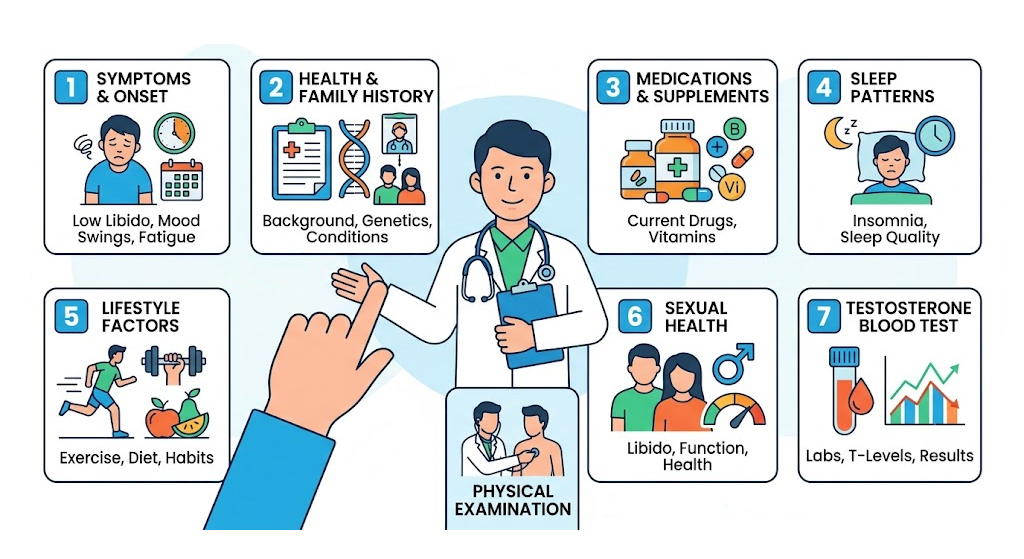
If you want to know how to determine if your testosterone levels are low, keep in mind that the signs are only considered one aspect of the issue.
The healthcare practitioner will take into account:
- Your symptoms and the time of their onset
- Your health background and your family history
- Your current medications and supplements
- Sleeping patterns or lifestyle factors
- Sexual and reproductive status
- Discoveries during physical examination
- Testosterone blood test results
Total vs. Free Testosterone
The measurement of total testosterone is the sum of the overall amount of testosterone contained in the blood, i.e., testosterone that is bound to proteins and the smaller amount that circulates freely.
Free testosterone refers to testosterone that is not bound to proteins. In certain cases, measurement or the calculation of free testosterone will provide additional insight into the patient’s condition, especially when the total testosterone results do not clearly match the clinical picture.
The Endocrine Society emphasizes that the procedure of measuring total testosterone and free testosterone should be performed under proper conditions, and proper interpretation of the results observed should depend on the symptoms rather than relying on a number alone.
Why Testosterone Usually Needs to Be Tested More Than Once
Testosterone levels fluctuate during daytime and can vary between days. Therefore, one low result does not confirm testosterone deficiency.
The American Urological Association states that two tests measuring total testosterone should be done in the early morning, and the results need to be confirmed before diagnosing testosterone deficiency. The Endocrine Society also recommends that doctors conduct repeat morning testing to confirm low levels.
It is important to study the results of the tests along with the symptoms of the patient, medical history, and other relevant factors.
What Happens During a Low Testosterone Evaluation?
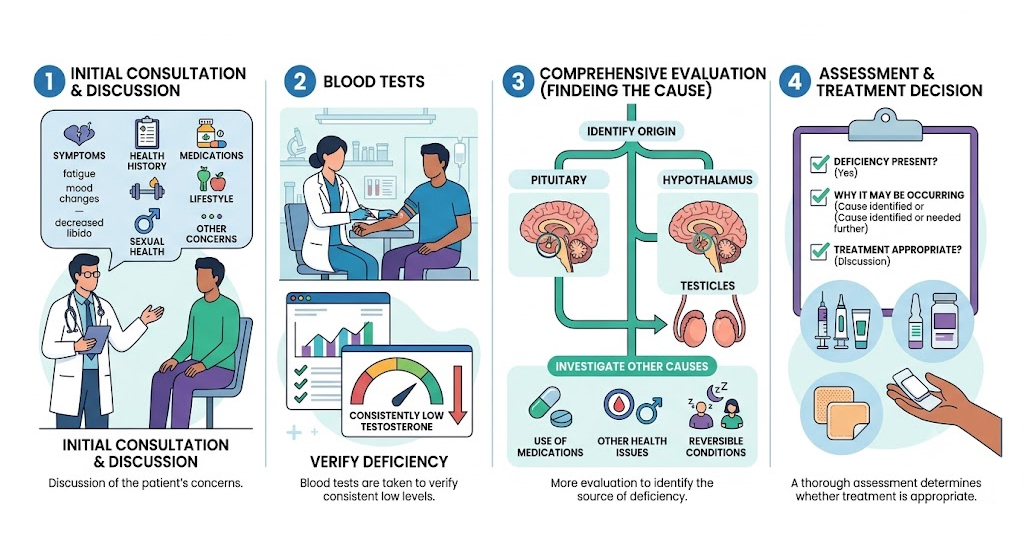
Low testosterone evaluation usually starts with discussing the patient’s symptoms, health history, medications, lifestyle, sexual health, and other concerns. Taking the blood tests can show the physician whether testosterone is consistently low for a patient.
In case of confirming a deficiency, more evaluation may be done to identify whether the origin is in the testicles, pituitary, or hypothalamus, use of medications, another health issue, or reversible conditions. A thorough assessment determines whether testosterone deficiency is present, why it may be occurring, and whether treatment is appropriate.
Can You Increase Testosterone Naturally?
A healthy lifestyle is associated with improved hormonal and metabolic functions. However, lifestyle changes should not be presented as a replacement for medically approved interventions for testosterone deficiency.
Prioritize Sleep:
In many cases, sufficient sleep supports general well-being as well as normal hormonal functions. Chronic insomnia or a possible sleep disorder should not be dismissed as unimportant.
Exercise:
Resistance exercises and regular physical activity contribute to the maintenance of muscle mass, cardiovascular fitness, metabolism, and overall well-being.
Balanced Nutrition:
The emphasis should be placed on a diet that contains an adequate amount of protein, healthy fats, fruits, vegetables, whole grains, and other essential micronutrients. No specific food has been proven to reliably correct testosterone deficiency.
Weight Management:
In the case of obese men, gradual and steady weight management may support metabolic and hormonal health. Treating the symptoms of obesity in men might, at least partially, reverse the condition without requiring testosterone therapy. Avoid extreme diets or unproven dietary supplements to increase testosterone levels.
Can Low Testosterone Be Reversed?
Whether low testosterone can be improved depends on the underlying cause. If obesity, lack of sleep, medications, or another health condition is the reason for testosterone deficiency, eliminating these elements from one’s life may increase testosterone levels in some men.
Moreover, other hormonal abnormalities may require a physician’s treatment.
This is why determining the cause of testosterone shortage is essential before deciding an appropriate treatment plan to increase testosterone levels.
How Is Low Testosterone Treated?
Depending on the cause, symptoms, lab reports, overall health, fertility plans, and personal goals, the doctor will recommend an appropriate therapy. In certain cases, low testosterone is treated by eliminating an underlying health condition or lifestyle factor. When testosterone deficiency has been diagnosed and treatment is appropriate, testosterone replacement therapy can be prescribed.
Testosterone Replacement Therapy
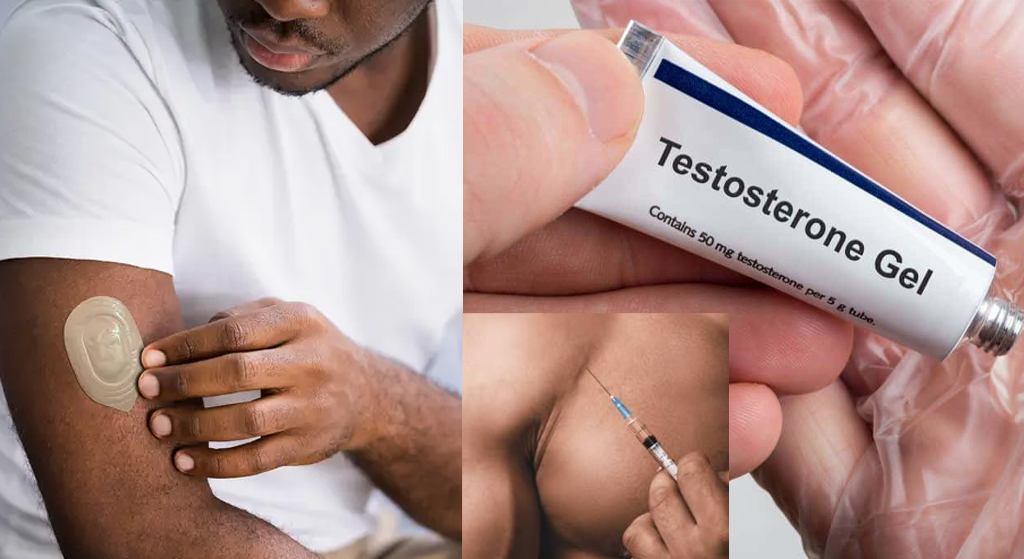
Hormone therapy or testosterone replacement therapy (TRT) is a process of testosterone supplementation, which is used when men have a properly diagnosed testosterone deficiency.
It is important to understand that TRT is not suitable for everyone with low testosterone or symptoms that affect their lives. Guidelines say that it is essential to confirm the diagnosis and consider possible benefits, risks, fertility plan, and current health state before treatment.
Testosterone is available in different forms:
- creams and gels
- injections
- pellets
The suitable testosterone administration option depends on individual circumstances, and it should be determined with a healthcare provider. A regular follow- up is required to assess treatment response and monitor safety.
Does TRT Affect Fertility?
Fertility is an important consideration before starting testosterone replacement therapy.
External testosterone can suppress the body’s natural sperm production.
Therefore, it is vital to talk with a physician about reproductive plans before initiating TRT.
When Should You See a Healthcare Professional?
Consider consulting a doctor if you’re having persistent or worsening changes in
- sexual desire,
- erectile function,
- energy,
- strength or muscle mass,
- mood,
- pellets
- concentration,
- sleep
- body composition
You don’t need to experience all the symptoms to benefit from hormone therapy. On the other hand, just because you have one symptom doesn’t mean you have low testosterone. Only a medical professional can differentiate between testosterone deficiency and other health issues that may present similar symptoms.
Final Thoughts: Take the Next Step Toward Better Hormonal Health
Continual and persistent changes in your energy levels, sexual health, mood, strength, or concentration can affect the way you live your life. So instead of assuming such changes are due to aging, you should speak to a qualified doctor about it.
Dr. Stephen Miley and his team at The Miley Clinic in Sarasota, FL provide personalized hormone treatment based on your health history, symptoms, and lab test results.
If you are experiencing potential low T symptoms, contact The Miley Clinic to set up a consultation and learn whether testosterone replacement therapy may be appropriate.
FAQ About Low Testosterone
How Do I Fix My Low Testosterone?
The first step is to determine exactly what is causing your testosterone levels to be low. Things like sleep, exercising, and eating a healthy, balanced diet can help, as well as treating any conditions that may be contributing to your testosterone deficiency.
How Do I Check My Testosterone Level at Home?
You can get a testosterone test done at home, but getting one done at a clinic gives you a more thorough answer, and your doctor can go over your results and help interpret them with your personal health and symptoms in mind.
Does Masturbation Cause Low Testosterone?
No, masturbation does not cause persistent testosterone deficiency. Testosterone levels in the body naturally fluctuate, but masturbation is not associated with chronically low testosterone.
How Long Does It Take to Restore Testosterone?
Depending on the method, it could take weeks or months before you see any improvements or results. The process can be fast or slow depending on what approach you take.
What Foods Help Boost Testosterone?
No particular food reliably treats low testosterone. A balanced diet with adequate amounts of protein, healthy fats, fruits, vegetables, and essential nutrients supports overall health.
Medical References
“Evaluation and Management of Testosterone Deficiency” – American Urological Association – Aug 01, 2018
https://www.auajournals.org/doi/10.1016/j.juro.2018.03.115
“Testosterone Therapy in Men With Hypogonadism: An Endocrine Society Clinical Practice Guideline” – PubMed – May 1, 2018
https://pubmed.ncbi.nlm.nih.gov/29562364/