
Are you experiencing constant hot flashes, fatigue, mood swings, or brain fog, making it challenging to feel like yourself? As your hormone levels start to shift, it can be challenging to know what to do about it or understand what is happening to your body. Fortunately, there are numerous medical interventions available for women going through menopause, pre-menopause, or andropause for men. HRT pellets are considered one of the most popular, low-maintenance, and convenient forms of treatment.
In this ultimate guide, we will discuss everything there is to know about pellets, from the fundamentals of the therapy to expectations before and after the procedure, and whether this type of treatment is right for you.
The Science and Mechanism Behind Bioidentical Pellet Therapy
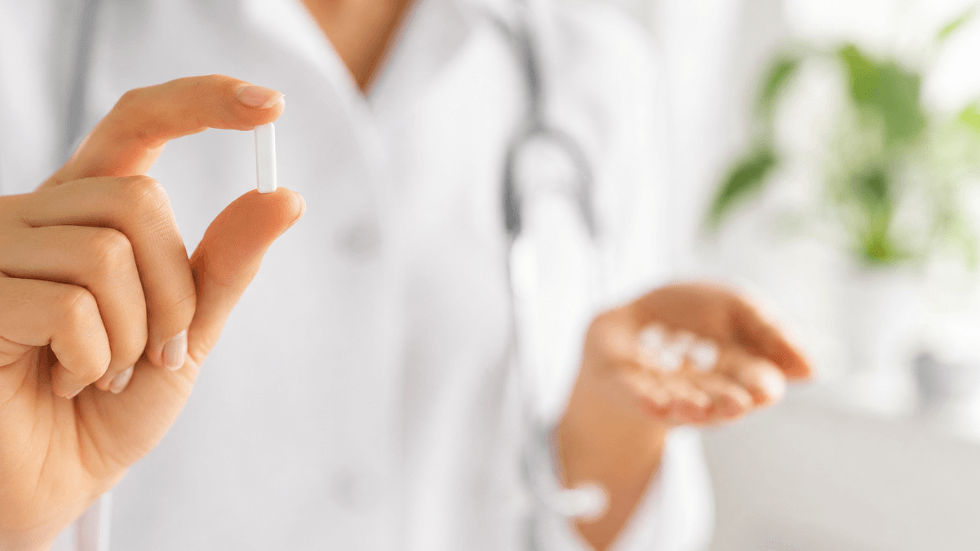
Pellets are tiny capsules with active compounds inside. Their appearance is similar to a small rice grain, while their function is to deliver the much-needed supply of hormones right into the bloodstream. The process of pellet hormone therapy begins when a medical professional places the hormones into the fatty tissue layer on the upper part of your hip or buttock. This way, the hormone pellets are gradually released into the circulatory system.
Advantages of Bioidentical Pellets
Unlike traditional synthetic options derived from horse urine or other chemicals, BHRT pellets are extracted from natural sources such as yams and soy. Estrogen and progesterone, the hormones that will be administered via subcutaneous implants, have an identical structure to those produced in the human body.
Bioidentical hormones’ main advantage over synthetic analogs is their precise duplication of the molecular structure of estrogen, progesterone, or testosterone. Additionally, pellets offer convenience because oral dosing or transdermal patches can cause hormonal surges that drop too quickly in the afternoon. The hormones provided by implants, on the other hand, are identical to those produced by the body’s endocrine system and, therefore, do not cause harmful fluctuations.
The Advantages of Using Pellets for Menopause
The period of menopause causes a significant decrease in female hormone levels. The reduction of female sex hormones provokes an increase in the level of estrogen and progestogens. Using pellets for menopause helps solve the problem of hormonal imbalance at the root.

The method of hormone replacement therapy effectively relieves many uncomfortable menopausal symptoms, such as:
- hot flashes and night sweats
- sleep problems and insomnia
- vaginal dryness, discomfort, and itching
- Persistent brain fog, memory loss, and fatigue
- osteoporosis and brittle nails
The Importance of Targeted Estrogen Pellets
Among the various types of BHRT pellets, estrogen pellets are the most essential, as estradiol helps prevent osteoporosis, improves cardiovascular function, helps maintain stable body temperature, and enhances collagen production to maintain skin elasticity.
Based on the blood tests and personal symptoms, the physician can also prescribe testosterone along with estrogen. The addition of testosterone is needed to prevent muscle loss, improve concentration, and increase sex drive.
Pros and Cons of Hormone Pellets
Before starting any treatment, it is essential to consider the pros and cons of estrogen and testosterone pellets with your doctor.
The Benefits (Pros)
- Unmatched Convenience: No more pills to swallow, lotions to remember to apply, or injections to schedule.
- No More Rollercoaster: The constant ups and downs of your hormones will be a thing of the past.
- Bypassing the Liver: Because pellets are released constantly into the bloodstream, they also bypass the liver, which decreases the stress on other internal organs.
- Tailored Dosing: Doses can be individualized for each patient based on their bloodwork.
The Drawbacks (Cons)
- Irreversible: Unlike pills or patches, pellets cannot be removed once inserted. Therefore, if the initial dose is too high or causes unwanted side effects, you will have to wait until the pellet has completely dissolved to adjust the dose.
- No Free Trials: A small incision is made to insert the pellet under your skin. This means you will need to numb a small area every few months and potentially deal with some minor discomfort.
- Pay Out of Pocket: Many insurance companies do not cover compounded medications, which means pellets could come at a higher price than traditional hormone replacement therapies.
- Temporary Side Effects: In the first few weeks of starting pellets, you may experience bloating, acne, or swelling at the insertion site.
Navigating the Transformation: Your Before-and-After Pellet Experience
Knowing what to expect before and after can help set realistic expectations for the road to wellness ahead.
Before the Procedure
- Comprehensive Blood Work: Blood tests will be taken to determine baseline levels of total estrogen, free testosterone, progesterone, thyroid function, and more.
- Symptom Mapping: Reviewing your health concerns, goals, medical history, and hormone replacement therapy experiences will help determine your specific pellet prescription.
- Pre-Procedure Prep: You will need to stop taking blood thinners or NSAIDS (like ibuprofen or aspirin) for a few days before your procedure to reduce the risk of bruising.
After the Procedure
- For the First 48-72 Hours: Keep the insertion site clean and dry. Avoid working out, lifting heavy objects, swimming, or sitting in hot tubs.
- At 2-4 Weeks Post-Insertion: You will begin to see initial results like increased energy, improved mood, and better sleep.
- By 1-3 Months Post-Insertion: You may notice peak physical improvements like increased focus, sexual function, muscle gains, and reduced hot flashes.
The Step-by-Step Clinical Procedure for Hormone Pellet Insertion
Preparation and Local Anesthesia:
The doctor cleans the area above the buttock or hip with an antiseptic solution and injects a local anesthetic (such as lidocaine) to numb it.
Creating a Micro-Incision:
The doctor makes a tiny 3-4 mm incision (too small to require stitches).
Pellet Placement:

Using a special trocar (a thin, hollow tube), the doctor inserts the pellets into the fat layer just below the skin’s surface.
Closure and Dressing:
The doctor removes the trocar, applies pressure to the site, and closes the incision with a small amount of adhesive tape and a bandage. The entire in-office procedure takes less than 15 minutes.
Hormone Pellet Timing & Longevity
Onset of Action and Longevity Timeline
Being informed about the mechanism allows us to set realistic expectations about the short- and long-term results.
Time-Frame of Hormone Pellet Effects

- First 7-10 Days: The initial phase is characterized by improved sleep patterns, stabilized mood, and increased energy levels.
- Weeks 2-4: The second stage brings about the appearance of sex drive, mental focus, and libido, longer periods of energy, and elimination of hot flashes.
Duration of a Hormone Pellet’s Action in the Body
- Women: The duration of action of the pellet containing both estrogen and testosterone is between 3 and 5 months.
- Men: Testosterone only requires about 4-6 months for the same dosage to produce similar effects.
- The active substance in the hormone pellet is gradually absorbed into the bloodstream, leaving no trace in the body after complete dissolution.
Finding The Ideal Candidates For Bioidentical Hormone Pellets
Knowing what pellet therapy is is the key to finding the right person to restore your energy and hormones to a healthy balance. Since every patient’s body processes hormones differently, there is no better option than to consult a professional medical provider in the field. By analyzing your complete blood work, understanding your symptoms, and dosing accordingly, pellet therapy can actually be a smooth and long-acting process.
Final Thoughts
Achieving optimal hormone balance presents a complex issue that often requires professional intervention. The medical team at The Miley Clinic will help you develop an individual treatment plan involving bioidentical pellets to eliminate menopause symptoms and increase your energy levels.
FAQs
How long do hormone pellets last?
Hormone pellets generally last three to five months for women and four to six months for men, as the pellet is gradually absorbed by the body.
How are hormone pellets inserted?
A physician will numb your hip or buttocks, make a 4 mm incision, and insert hormone pellets into the incision using a trocar. The incision is then closed with Steri-Strips.
How long does it take for hormone pellets to work?
Most patients feel initial benefits within 7 to 10 days, while more substantial effects are often noticed after two to four weeks.
Medical References
- “Subcutaneous Estradiol Pellets as Hormone Therapy in Menopause” – National Center for Biotechnology Information – Dec 21, 2025
https://pmc.ncbi.nlm.nih.gov/articles/PMC12786477/ - “The 2022 Hormone Therapy Position Statement of The Menopause Society” – The Menopause Society – July 2022
https://journals.lww.com/menopausejournal/abstract/10.1097/gme.0000000000002028~the-2022-hormone-therapy-position-statement-of-the-north?redirectionsource=fulltextview