
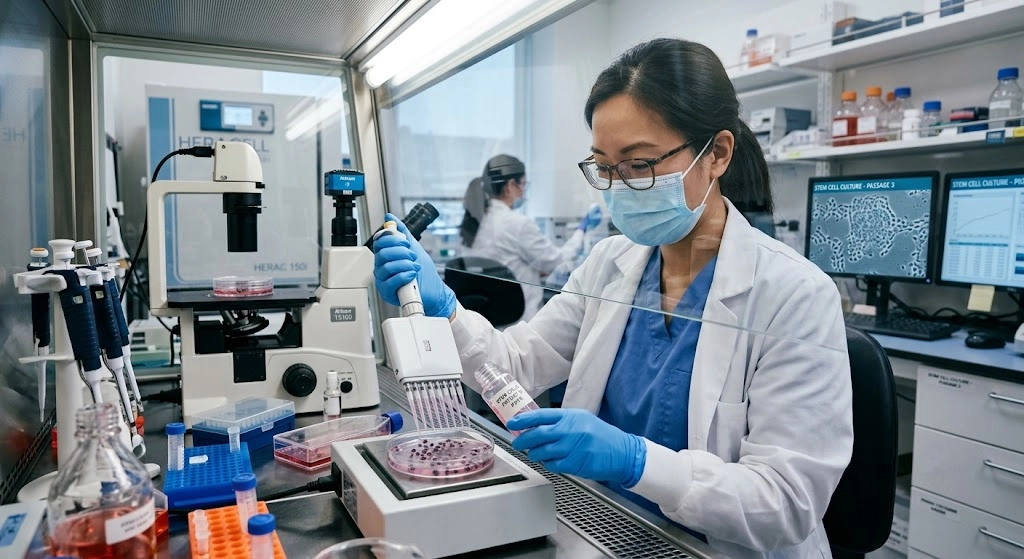
What if treatment could do more than treat symptoms? That question gets to the heart of regenerative medicine and is one reason stem cell therapy continues to pique the interest of researchers, health care professionals, and patients.
Stem cells are biologically unique and useful for studying tissue repair, cell development, and healing processes. Researchers are investigating their potential uses across medicine, from blood disorders to regenerative therapies for damaged or injured tissues.
However, “stem cell therapy” is not a single treatment. Different therapies employ different types of cells, delivery methods, and treatment protocols, and levels of supporting evidence can vary substantially.
To understand the benefits of stem cell therapy, you have to look at the potential advantages and at what evidence we have today. The guide explains the possible benefits of stem cell treatment, what patients can expect from treatment, how effectiveness is assessed, and what to consider before proceeding.
What is Stem Cell Therapy?
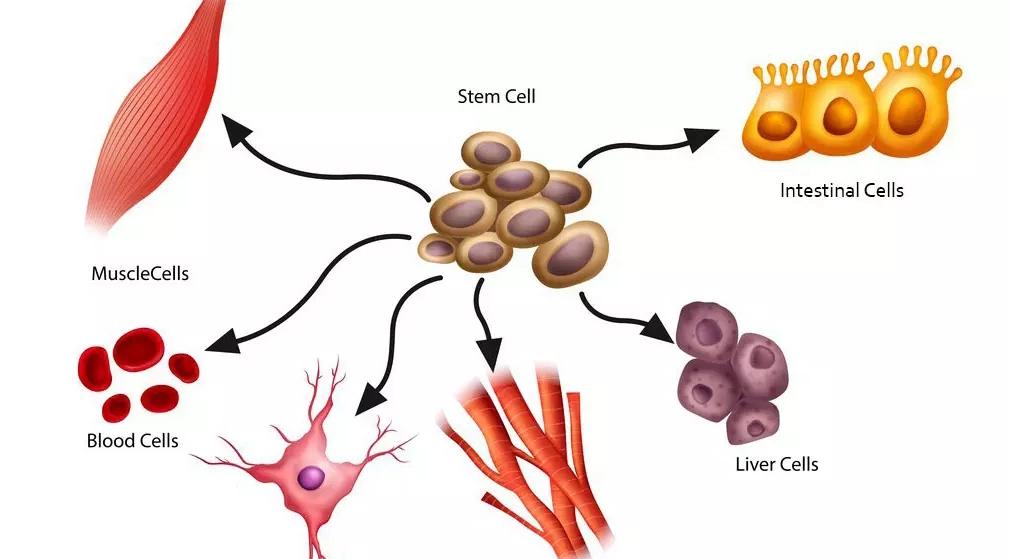
Stem cells can become specialized cells. Depending on their traits, stem cells help keep tissues healthy and aid in healing. Stem cell therapy is a term for medical treatments that use Stem cells or cell‑based products to heal people. Stem cell therapy may use cell sources, preparation methods, and routes of administration according to the planned purposes.
How Does Stem Cell Therapy Work?
There is no single way that all stem cell therapy works. Scientists study how specific stem cells and the signals they emit interact with tissues, influence immune responses, and support tissue repair. This complexity matters because results from one type of Stem cell therapy cannot automatically be applied to every Stem cell therapy.
What are the Benefits of Stem Cell Therapy?
Benefits of Stem cell therapy are a hot research topic in regenerative medicine. The evidence varies from one application to another, but several potential benefits are being investigated.
- May Support Tissue Repair: Particular stem cells are currently being studied for their potential roles in relation to tissue repair processes. Scientists aim to understand whether cell‑based approaches could influence damaged tissues or the environments surrounding an injury.
- May Impact Inflammatory Responses: Some cell-based treatments are being studied for their impact on immune and inflammatory processes. Understanding how these interactions work may help researchers develop new strategies for conditions involving inflammation and tissue damage. But the biological effects depend on specific cells and the treatment under study.
- Expands Regenerative Medicine: Stem cell research has expanded the scope of treatment that is being pursued within the medical field. By not limiting themselves to simply managing symptoms of disease, stem cell research scientists are able to focus on methods of influencing biological processes.
- Supports Development of New Therapies: Stem cell research could lead to treatments for diseases that do not have many treatment options right now. Ongoing studies are important to find out which methods really help and which are still being tested.
Who May Benefit From Stem Cell Therapy?

Pain, injury, tissue damage, or a chronic health condition does not necessarily mean that stem cell therapy is indicated for every person.
The potential candidacy depends on the type of diagnosis, the treatment under consideration, the medical history, prior therapies, the overall health, and the quality of evidence supporting the proposed use.
Why Is Medical Eligibility Important?
A medical evaluation can identify if a particular treatment is appropriate and whether other established options should be explored first.
Also, patients should be aware of blanket statements that one stem cell treatment can successfully treat many unrelated conditions. A therapy must be evaluated for evidence of efficacy for its intended use.
What Results Can You Expect From Stem Cell Therapy?
Stem cell therapy results should be based on the actual clinical outcome rather than on the advertisement or testimonials from other patients.
Symptom Improvement:
Research can be done on the indicators of symptom improvement, for instance, a reduction in pain or other specific signs of the disease. The statements from patients regarding their condition can also be used as an essential part of outcome evaluation.
Functional Improvement:
Functional improvement can also be researched; therefore, scientists should consider such indicators as physical abilities or quality of life, lab results, scans or X-rays, and other objective signs of treatment efficacy.
Multiple Outcome Evaluation:
The multiple outcome evaluation is the best way to determine the efficiency of the stem cell therapy. Symptomatic, functional, and other indicators should be analyzed to get an accurate conclusion about the treatment’s effectiveness.
Long-Term Outcomes:
Long-term monitoring determines whether there is a steady improvement happening or whether previously unrecognized issues emerge. For patients, this means asking not only whether a treatment may help initially, but also what proof exists regarding its durability.
How Effective Is Stem Cell Therapy?
Stem cell therapy effectiveness cannot be reduced to one universal percentage. Treatments differ in cell types, conditions, doses, methods, populations, and outcomes.
How Successful Is Stem Cell Therapy?
Depending on what exactly the therapy is, stem cell therapy has varying levels of success. A treatment can produce a positive response in one trial while still requiring additional testing before it can be considered a reliable method. The results should be taken in the context of the trial that they are presented in.
Why Is There No Universal Success Rate?
The success rate of stem cell therapy might appear different from one study or provider to another since the definition of “success” can differ. Always consider the number of participants, study design, comparison group, treatment protocol, definition of success, follow-up period, and independently replicated results.
Are Stem Cell Treatments Safe?
Safety varies depending on the cells or cell-based product, the preparation methods, the way the treatment is given, the purpose of the treatment, and the individual patient.
Why Is a Medical Assessment Necessary?
Medical professionals will look at the history of patients, explain possible risks and other options, and decide on the best treatment.
Before getting treatment, patients should ask the following questions:
- What kind of cells or cell-based products will be used?
- What disease will be treated?
- What studies have been done on the treatment?
- What risks and side effects could happen?
- What other options are there?
- What should be done after the treatment?
- What outcomes could be expected?
What Should You Consider Before Trying Stem Cell Therapy?
- Observe the Facts: Studies applied must be in relation not only to the disease in question but also to the treatment being evaluated. Evidence related to different types of cells may not apply.
- Know Possible Advantages and Disadvantages: Question the goal of treatment procedures and the evidence about the effectiveness of the methods in providing the expected results.
- Ask for Other Options: Specialists may discuss the options available, their possible drawbacks and advantages, and the appropriateness of the cell-based options.
- Do not Go for Guaranteed Statements: It is important to note that the results of procedures may vary between patients. Some procedures that guarantee effectiveness should be treated with caution because of insufficient evidence.
What Should You Expect From Stem Cell Treatment?
The process of treatment may vary based on the specific therapy used, but generally there are different steps in a treatment.
Before Treatment
Prior to the treatment, the medical professional often considers medical history, symptoms, medications, past treatments, and the goals of the treatment. If needed, doctors can suggest a physical examination or lab tests.
During the Treatment
Each method of stem cell treatment varies. Patients should be aware of the procedure, duration, possible immediate adverse effects, etc so that there won’t be misunderstandings. It should be noted that the experience will differ from one person to another. A healthcare provider should be consulted to clear doubts.
After Treatment
Follow-ups allow monitoring of symptoms, outcomes, etc. Patients who have had stem cell treatment ought to be aware of aftercare procedures. If patients follow all guidelines and consult their physician promptly, the recovery will go smoothly.
How Much Does Stem Cell Therapy Cost?
Stem cell therapy can vary in price, as it is not fixed in this case. Depending on the type of therapy, number of procedures, tests, amount of preparation or processing used, as well as the clinic, therapy costs may vary.
Before starting any sort of treatment, patients should clarify what amount of expenses they can expect for Stem cell therapy. It is better to enquire whether consultations, diagnostic tests, medications, and follow-up appointments are included or not.
Final Thoughts on Stem Cell Therapy Benefits
Stem cell therapy is a promising concept in the world of regenerative medicine, but it should be measured against the weight of evidence that corresponds to the intended effectiveness of the treatment. Some of them have been proven with stem cells, but others are still in trial.
However, the benefits of stem cell therapy will depend on the particular case, the treatment, the condition, the current research, and the specific patient. Therefore, do not be deceived by the general success rate; consider the quality of the research, potential risks, outcomes, treatment alternatives, and long-term validity.
If you want to find out more about the practice of stem cell therapy in Sarasota, maybe you can talk with healthcare specialists at The Miley Clinic. They can help you understand your options, ask informed questions, and determine whether a particular approach is appropriate for your personal needs.
Frequently Asked Questions
What Is the Average Cost of a Stem Cell Treatment?
The cost of a Stem Cell Treatment depends on the type of Stem Cell Treatment, the provider, the location, the tests, the number of sessions, preparation, and the follow‑up care.
How Long Do Stem Cell Treatments Last?
The length of a Stem Cell Treatment depends on the procedure. Some appointments are brief. If the Stem Cell Treatment plan has many sessions, you will need more time to follow‑up.
What Is the Success Rate of Stem Cell Therapy?
There is no universal success rate for Stem Cell Therapy. Outcomes vary depending on the Stem Cell Therapy, the condition, patient factors, study design, and follow- up.
Medical References
- “Consumer Alert on Regenerative Medicine Products Including Stem Cells and Exosomes” – FDA – July 22, 2020
- https://www.fda.gov/vaccines-blood-biologics/consumers-biologics/consumer-alert-regenerative-medicine-products-including-stem-cells-and-exosomes
- “Guide to Stem Cell Treatments” – ISSCR – Apr 29, 2026
- https://www.isscr.org/treatment-guide.