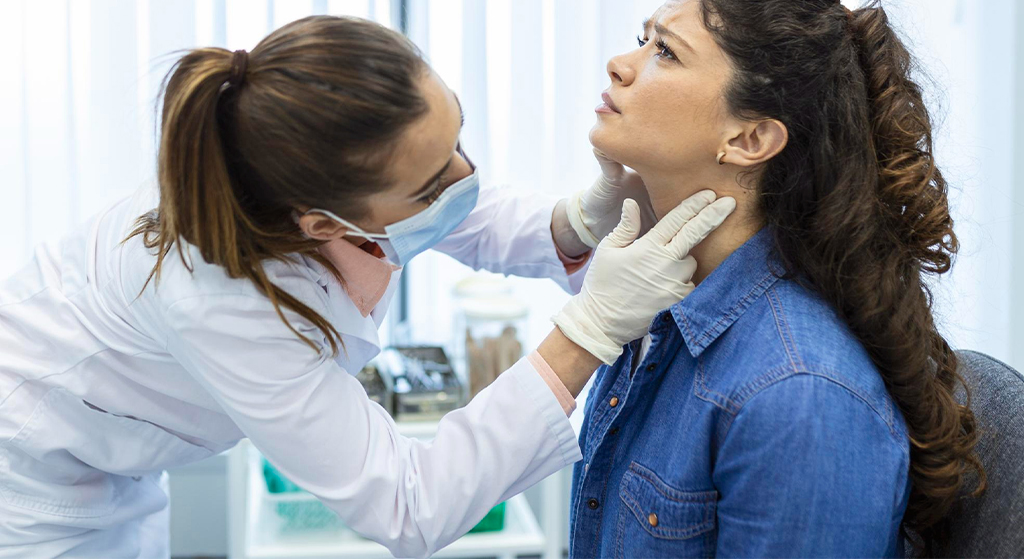
The thyroid gland plays an important role in regulating metabolism since it is key in determining how energy is utilized and how many calories we burn. The food we eat provides us with nutrients that are needed for a normal-functioning thyroid, but no specific food can cure any thyroid disease or replace medications.
However, the best foods for thyroid health include foods such as fish, eggs, dairy products, legumes, whole grains, fruits, vegetables, nuts, and seeds. Iodine, selenium, and zinc, among other nutrients, are supplied by these foods. Nevertheless, which foods are best for you will depend on your condition, medication, and specific nutrition requirements.
Why Does Nutrition Matter for Thyroid Health?
The thyroid gland needs iodine to synthesize hormones, while selenium is needed to metabolize them. Iron and zinc are essential for normal body activity.
A balanced diet contains all the necessary nutrients, but the development of thyroid diseases is also triggered by other factors such as autoimmunity and iodine imbalance. Diet alone cannot correct every thyroid problem. For example, hypothyroidism is treated with hormone replacement medication, and hyperthyroidism is treated with targeted therapy.
Read more: Food Sensitivity vs. Food Allergy
10 Best Foods for Thyroid Health
The following foods are beneficial for the thyroid gland because they help to supply it with essential nutrients and can be included in a healthy diet.
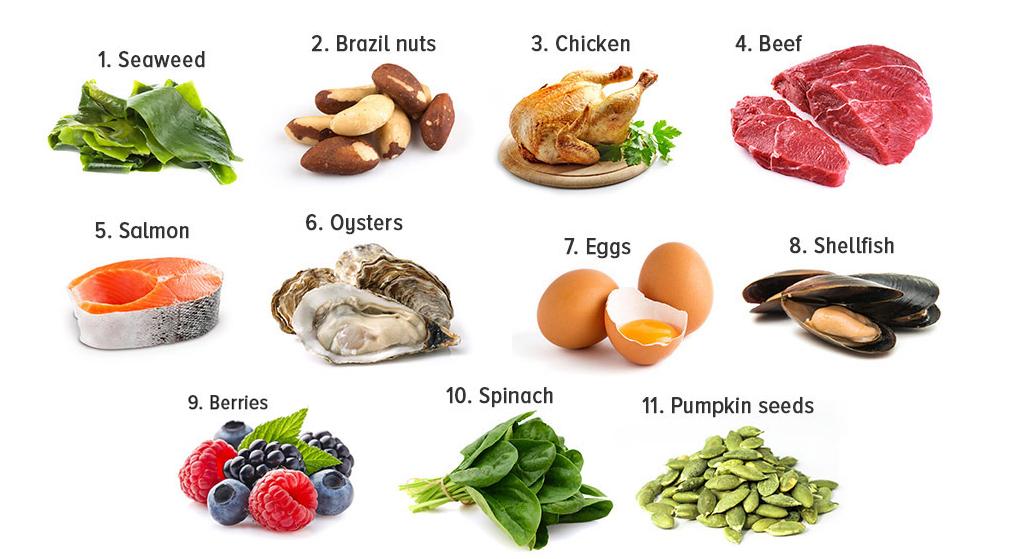
1. Fish and Seafood
Fish is a good source of protein, while seafood is a rich source of iodine and selenium. Some types of fish, for instance, salmon and sardines, are particularly high in omega-3 fatty acids. However, a person on a thyroid-friendly diet should limit the intake of iodine.
2. Dairy Products
Milk and yogurt can also contribute to your iodine, calcium, protein, and vitamin B12 intake. Fortified dairy alternatives can be a good source of some of these nutrients, although their iodine content can vary.
3. Nuts and Seeds
Pumpkin seeds are a good source of zinc, and Brazil nuts are particularly high in selenium. Eat them in moderation, because excessive selenium intake can be harmful.
4. Beans and Lentils
Beans, chickpeas, and lentils are all fantastic sources of plant-based protein, iron, zinc, and fiber. Add them to a soup or toss them into a salad or whole-grain dish.
5. Whole Grains
Oats, brown rice, quinoa, and whole-wheat bread are good sources of fiber, B vitamins, and other nutrients. They can improve the overall nutrition of the thyroid diet, but they cannot directly treat thyroid disorders.
6. Leafy Green Vegetables
Spinach and leafy green vegetables are an excellent source of folate, fiber, and minerals, as well as a number of vitamins. To enhance iron absorption, consume them with vitamin C-rich foods, such as oranges or tomatoes.
7. Cruciferous Vegetables
Broccoli, cauliflower, cabbage, and Brussels sprouts are healthy vegetables containing fiber, along with other beneficial compounds. Normal portions are generally suitable for most people with thyroid conditions. However, it is advisable to cook or steam them to reduce the risk of goiter caused by cruciferous vegetables. People with thyroid issues should not remove them from their diet.
8. Fruits Rich in Vitamins
Berries, oranges, kiwi, apples, and guava contain vitamins, fiber, and other compounds that plants produce. If you wonder which fruit is good for thyroid health, it cannot be quantified, and variety is always preferable to relying on one fruit.
9. Lean Protein Products
Chicken, fish, eggs, tofu, and legumes are some of the many options to consider. Proteins are essential for tissues and their regular functioning, and one must choose the products depending on individual preferences and requirements.
10. Eggs
Eggs contain protein, selenium, vitamin B12, and some iodine. This is beneficial for the body’s proper functioning. Consuming eggs regularly and in sufficient amounts, taking into account individual caloric and dietary requirements, improves overall well-being. However, they cannot cure hypothyroidism and hyperthyroidism.
Essential Nutrients for Thyroid Health
| Nutrient | Food sources | Why it matters |
|---|---|---|
| Iodine | Seafood, dairy, eggs, iodized salt | Needed for thyroid hormone production |
| Selenium | Fish, eggs, meat, Brazil nuts | Supports thyroid hormone metabolism |
| Zinc | Meat, seafood, beans, seeds | Supports normal cellular functions |
| Iron | Lentils, beans, meat, leafy greens | Supports oxygen transport |
| Vitamin B12 | Eggs, dairy, meat, fortified foods | Supports nerves and red blood cells |
Consuming different types of food will allow you to get these nutrients. Supplements are not automatically necessary, as taking too much iodine or selenium can be dangerous. Consult a specialist if you think you may be lacking either nutrient.
Foods to Limit or Avoid for Thyroid Health
There is no universal list of foods that everyone with thyroid disease must avoid. Consider these important distinctions:
| Food or product | Practical guidance |
|---|---|
| High-dose iodine and kelp supplements | Avoid unless specifically recommended; excess iodine may worsen some thyroid conditions. |
| Unverified thyroid boosters | Avoid products promising to treat thyroid disease without reliable evidence. |
| Highly processed foods | Limit them when they regularly replace nutritious meals. |
| Sugary drinks | Limit frequent consumption as part of a balanced diet. |
| Calcium and iron supplements | Separate from levothyroxine according to professional instructions, commonly by at least four hours. |
The Truth About Soy and Cruciferous Vegetables for Thyroid Health
You don’t need to avoid Tofu, broccoli, cabbage, or cauliflower. Very high intakes may be an issue in some specific cases, especially when there is insufficient iodine intake. Cooking cruciferous vegetables helps to reduce some of the goitrogenic activity. Soy can affect levothyroxine absorption in some situations, so discuss the timing of your medication with your doctor instead of just eliminating soy.
Best Foods for Hypothyroidism

Hypothyroidism is a condition that results from low hormone levels produced by a sluggish thyroid gland and may necessitate hormone replacement therapy to address the problem. While dietary modifications cannot cure this condition, eating the best foods for hypothyroidism can be very helpful to aid in crucial physiological support:
Foods to eat: Fish and seafood, eggs, legumes, nuts, and whole grains will provide necessary micronutrients (selenium, zinc) that will help cells function well and be energized.
Iodine caveat: If a person suffers from Hashimoto’s thyroiditis, which is the main cause of hypothyroidism, he or she should not use too many iodine supplements and concentrated seaweed, which may lead to increased autoimmunity.
Learn more: Hypothyroidism vs Hyperthyroidism: Differences, Symptoms, Causes and Diagnosis
What to Eat for Hyperthyroidism
Hyperthyroidism accelerates the activity of a person’s body, resulting in weight loss and weakened muscles and bones. While medical interventions are vital, the role of strategic nutrition in diminishing hyperthyroidism symptoms should not be underestimated:
Protect muscles and bones: adequate intake of lean proteins decreases the risk of muscle loss, while calcium- and vitamin D- rich foods prevent bone loss.
Fuel with whole foods: vegetables and whole grains provide a variety of antioxidants and micronutrients to meet the increased caloric demands.
Watch concentrated iodine: avoid concentrated iodine sources, such as iodine drops, seaweed snacks, and iodized salt, which can drive hormone production higher. Moreover, a strict low-iodine diet should be implemented only if directed by your endocrinologist.
Foods That Reduce Thyroid Inflammation
No single food can claim to remove the threat of thyroid inflammation or cure the autoimmune thyroid disease. A healthy balanced diet consisting of fruits, vegetables, whole grains, legumes, fish, and healthy fats may improve general well-being.
The avoidance of gluten is required for people with Celiac disease, but it is not recommended for everyone with thyroid problems. Individuals with impaired thyroid function should not eliminate entire categories of food unless their physician suspects or confirms a food intolerance.
Thyroid Nodules: Foods to Avoid
No fixed diet has been proven to shrink thyroid nodules. Do not take extra iodine supplements unless advised by your healthcare professional. The majority of people do not have to give up eating broccoli, cabbage, and soy products because of having a nodule or goiter.
Depending on the nodule’s type, laboratory tests, an ultrasound, or further evaluation may be necessary. Dietary changes should not replace recommended monitoring or treatment.
Natural Remedies for Thyroid Imbalance
Many products marketed as natural remedies for thyroid imbalance claim to improve thyroid function, but in reality they are not that effective. The most appropriate steps are to eat healthy, get plenty of rest, exercise, address confirmed nutritional deficiencies, and go through treatment. However, these actions support well-being but do not necessarily correct an underactive or overactive thyroid.
How Does Thyroid Medication Affect Your Diet?
Levothyroxine intake is generally done on an empty stomach, usually 30-60 minutes before breakfast, as prescribed. Take calcium and iron supplements at least four hours after Levothyroxine intake.
Seek advice from your healthcare professional or pharmacist regarding Levothyroxine routine. Do not alter the medication regimen or dosage even if your diet changes.
When Should You Seek Medical Advice
Fatigue, fluctuations in weight, hair loss, constipation, and changes in pulse rate can all be attributed to different reasons. These symptoms cannot provide concrete evidence of thyroid conditions.
A healthcare provider can assess the symptoms along with the patient’s medical history and thyroid blood tests to determine whether further evaluation is needed. Depending on the results, treatments that might be suggested may include thyroid replacement therapy (commonly prescribed for an underactive thyroid), other medications, monitoring, and advice on diet.
Bottom Line: Support Your Thyroid Health With Informed Care
Eating nutritious food can be described as a good way to take care of your overall health. However, thyroid health should be treated according to personal needs, rather than using the same diet for all.
In case patients wish to talk to specialists regarding their thyroid symptoms and wellness issues, they can visit The Miley Clinic located in Sarasota, Florida. A personalized evaluation can help determine appropriate next steps, including whether thyroid testing or treatment is indicated.
If you have any concerns regarding your thyroid function, you should seek consultation from a qualified physician before making significant dietary changes or starting supplements.
FAQs on Best Foods for Thyroid Health
What are the best foods for thyroid health?
Fish, eggs, dairy products, nuts, legumes, whole grains, fruits, and vegetables provide nutrients that support normal thyroid function and overall health.
What are 5 foods to avoid for thyroid health?
Do not overuse iodine-rich seaweed, questionable thyroid supplements, processed foods, sugar-containing beverages, and excess iodine supplements. In most cases, there is no need to cut out soy or cruciferous veggies.
What drink is good for your thyroid?
Water is a great everyday beverage. It brings extra nutrients through milk or plant-based fortified alternatives. It can provide additional nutrients, depending on your dietary needs.
How do I boost my thyroid naturally?
Follow a balanced diet, sleep enough, and resolve nutritional deficiencies with the help of professionals. Refrain from consuming supplements that claim they can boost the performance of the thyroid gland without the advice of a doctor.
Can thyroid levels go back to normal naturally?
In some cases, thyroid levels normalize; it will all depend on the cause. However, many thyroid conditions require medication and monitoring. It is advisable to consult your healthcare professional before changing treatment.
Medical References
“Iodine” – Harvard T.H. Chan School of Public Health (The Nutrition Source) – March 2023
https://nutritionsource.hsph.harvard.edu/iodine/
“Selenium” – Harvard T.H. Chan School of Public Health (The Nutrition Source) – March 2023
https://nutritionsource.hsph.harvard.edu/selenium/
“Zinc” – National Institutes of Health (Office of Dietary Supplements) – Jan 6, 2026
https://ods.od.nih.gov/factsheets/Zinc-HealthProfessional/