
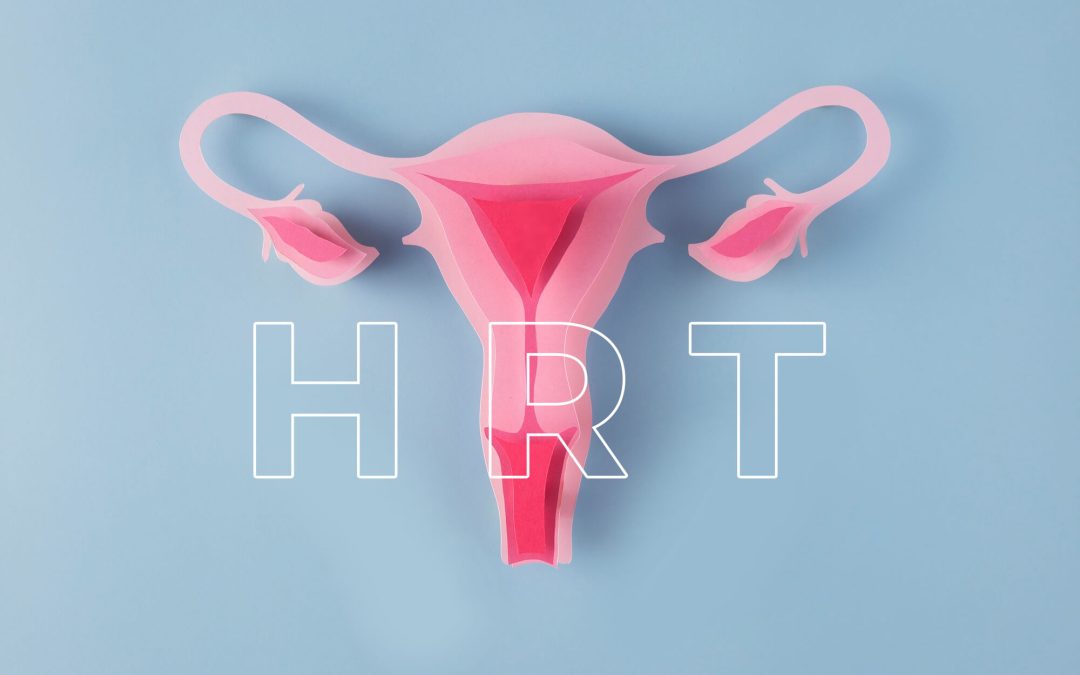
For many years, the topic of menopause and hormone replacement therapy (HRT) suffered from misinformation and unfounded fears. Millions of women had to take hot flashes, sleepless nights, and cognitive and bone-related problems in silence without any help. Fortunately, the situation has changed significantly.
Recent studies highlight the extensive benefits of HRT for menopause. HRT is no longer viewed as a risky procedure. It is now regarded as a safe way to regain health and live well. More knowledge is obtained on both the benefits of estrogen replacement and the significance of combined (benefits of estrogen and progesterone) therapy.
In addition, modern treatment approaches have gone far beyond the use of pills. Today, transdermal therapy opens new horizons towards hormone patches, and there is still a lot of unknown in relation to the metabolism of estrogen replacement and weight loss. What is also great is modern recommendations state that age is not a limiting factor, unveiling compelling health benefits of HRT after 65.
This evidence-based guide will help you better understand the way your body’s hormones function and what current medical research says about restoring your body’s vital hormones.
Understanding Menopause and the Benefits of HRT for Menopause

Menopause marks the point 12 months after a woman’s final menstrual period. It is caused by a natural, gradual decline in the female hormones produced by the ovaries, including estrogen and progesterone.
Menopause is a biological phenomenon whereby lower levels of hormones lead to whole-body symptoms.
HRT’s greatest advantages when it comes to menopause are its ability to replenish the declining hormones directly and eliminate the symptoms of menopause from their source instead of just covering them.
Alleviation of Vasomotor Symptoms
Vasomotor symptoms, which are popularly known as hot flashes and night sweats, can affect around 80% of menopausal women for a period of 7 to 12 years. Various clinical guidelines show that the most efficacious treatment option that exists for excessive hot flashes and night sweats is systemic HRT.
Restoring Sleep And Cognitive Clarity
Night-time perspiration disrupts deep REM sleep, resulting in chronic fatigue, temperament changes, and brain fog. By stabilizing fluctuations in body temperature during the night, HRT restores sleep patterns and improves daytime focus, emotional control, and mental clarity.
Protecting Bone Density And Preventing Osteoporosis
Estrogen plays an essential role in the process of remodeling bones due to its action of blocking osteoclasts (cells responsible for the breakdown of bone tissues). During the initial period of menopause, women may experience bone density loss of up to 20%. HRT provides a significant reduction of bone turnover, prevents postmenopausal osteoporosis, and decreases the risk of bone fractures during the lifespan.
Advantages of Estrogen Replacement Therapy
The human body has estrogen receptors present in various body parts such as the brain, heart, blood vessels, neck, skin, bones, and pelvic organs. Consequently, the benefits of estrogen replacement extend far beyond temperature regulation.
Pelvic and Genitourinary Health
Genitourinary Syndrome of Menopause (GSM)—characterized by vaginal dryness, painful intercourse, urinary urgency, and recurrent urinary tract infections—tends to worsen with age. Replacement of estrogen restores the elasticity of vaginal tissue, increases blood circulation, and helps maintain natural lubrication.
Maintaining Collagen Production and Skin Elasticity
Estrogen plays an important role in collagen production and keeping the skin hydrated. After menopause, women lose collagen density swiftly. Replacement of estrogen maintains hydration, dermal thickness, and elasticity, thereby preventing early aging of the skin due to lack of hormones.
Musculoskeletal and Joint Support
Most women face problems with joint stiffness and pain during the perimenopause phase because they usually associate these symptoms with aging or arthritis. Estrogen reduces inflammation and maintains lubrication in the joints, making musculoskeletal pains less evident.
Advantages of Estrogen and Progesterone
When it comes to hormone therapy, formulation is essential. For those with an intact uterus, systemic estrogen cannot be taken alone. It should be noted that without progesterone, estrogen can thicken the uterine lining (the endometrium), which can, in turn, lead to endometrial hyperplasia or cancer.
Thus, to avoid these complications, healthcare providers suggest a combination method. The advantages of estrogen and progesterone explain why the two elements work so well together.
Endometrial Protection: Unlike estrogen, progesterone acts like a biological counterbalance to it and keeps the uterine lining thin and stable.
Targeted Options: Women can ingest progestogens via means of a progestin-releasing IUD, daily oral capsules, or cyclical administration.
Neuroprotective and Calming Effects: Bioidentical micronized progesterone is metabolized into neurosteroids that interact with GABA receptors in the brain. Since it is very similar to what the body produces naturally, once someone takes it before bed, they can sleep peacefully.
Favorable Safety Profile: Micronized progesterone has proven to be much safer than many synthetic progestins in terms of breast cancer risk, according to the latest studies.
Advantages of Hormone Patches

The method of introducing hormones is as important as their type. Although hormonal tablets are still widely used, the introduction of transdermal hormones, including patches, gels, and sprays, has changed the safety level of hormone therapy.
Understanding the advantages of using a hormone patch makes it clear why transdermal estradiol has become increasingly popular among healthcare professionals dealing with menopause.
Avoiding the First-Pass Hepatic Effect
Estrogen pills travel through the digestive system to the liver (also called first-pass metabolism), which decreases inflammation and boosts coagulation factors. Transdermal patches can penetrate skin and enter the bloodstream without going through the liver.
Reduced Risk of Venous Thromboembolism and Stroke
Since transdermal estrogen does not increase liver clotting factor levels, research has surfaced that low-dose transdermal patches are unlikely to cause deep vein thrombosis (DVT), pulmonary embolism, or ischemic stroke compared to their oral counterparts.
Decreased Gallbladder Problems
Estrogen pills produce cholesterol in bile, which can lead to a higher chance of gallstone formation and gallbladder surgery. Using estrogen patches does not stimulate this process, leading to far fewer cases of gallbladder surgery than with tablets.
Consistent and Continuous Hormone Delivery
Hormone patches release estrogen over several days without peaks and troughs experienced with pills.
Truth About Weight Loss with Estrogen Replacement
Many women going through menopause complain of unexpected and difficult-to-lose weight. Hence, the question arises whether weight loss from estrogen replacement is possible through hormonal therapy. To get clear expectations about which hormones may help in this aspect, it is important to learn more about how hormones affect weight and fat distribution.
The truth is that HRT is not a fat-busting medicine or miracle weight loss pill. The hormone plays a crucial role in terms of metabolic health, energy consumption, and fat distribution.
Avoiding Visceral Fat Buildup
With menopause, estrogen levels drop, moving fat from the hips and thighs (gynoid fat) into the abdomen (visceral fat). It creates a greater risk of insulin resistance, type 2 diabetes, and heart disease. Research confirms that taking estrogen helps counteract the central distribution of fat and ensures a healthier waist-to-hip ratio.
Maintenance of Muscle Mass and Metabolism
Studies show that estrogen pills may reduce fat oxidation, whereas skin patches have a positive influence on muscle and metabolism. Medical therapy can help reduce exhaustion, joint pain, and sleep disorders in women to maintain energy for effective workouts.
Reevaluating HRT After 65
For decades, there was a strict rule that required women to stop HRT after turning 65. However, the latest medical guidelines from The Menopause Society confirm that not only is there no age requirement for stopping HRT, but also that this decision must be based on medical evaluation and mutual decision-making between a doctor and patient. New studies show many benefits of HRT after 65, particularly using low-dose, non-oral types.
Long-Term Health Benefits in Older Adults

Reduction of Mortality: Estrogen monotherapy beyond the age of 65 reduces the mortality rate by 19%.
Reduction of Cancer Risks: Continuing on estrogen monotherapy has been associated with reduced chances of breast, lung, and colorectal cancer.
Cardiovascular Health and Uterine Protection: The estrogen/progestin combination therapy leads to significant reductions in endometrial cancer (45%), ovarian cancer (21%), ischemic heart disease (5%), and heart failure.
Final Thought
Hormone replacement therapy is an effective option for treating menopause and promotes healthy aging. Best results are achieved when treatment is started within a decade from the onset of menopause or no later than when the patient is 60 years old. The use of transdermal systems has been found to provide maximum protection against blood clots and gallbladder problems.
The form of hormone therapy that you receive should depend upon your personal medical history, symptoms, and health requirements.
It is advisable to seek advice from a healthcare provider who specializes in menopause to help you assess your own risk factors and draw up a personalized treatment plan.
FAQ
How long does it take to feel the benefits of HRT?
It can take anywhere from two to four weeks to feel initial improvements in symptoms like hot flashes and disturbed sleep. Yet, it can take up to three months for one to feel the full impact of HRT.
What are the benefits of HRT after menopause?
HRT after menopause helps in avoiding osteoporosis, alleviates vaginal dryness and urinary issues, enhances cardiovascular health, and minimizes long-term all-cause mortality risks.
What are the benefits of HRT after 60?
Some advantages of HRT for people after 60 include helping to keep bones strong and reducing the risk of fractures, relieving persistent hot flashes and vaginal dryness, and lowering the risk of death.
Medical References
- “Menopause Hormone Therapy: Is It Right for You?” — Mayo Clinic – Apr 18, 2025
https://www.mayoclinic.org/diseases-conditions/menopause/in-depth/hormone-therapy/art-20046372 - “Hormone Therapy for Menopause Symptoms, Risks, and Indications” — Cleveland Clinic – Mar 12, 2025
https://my.clevelandclinic.org/health/treatments/15245-hormone-therapy-for-menopause-symptoms - “Navigating Perimenopause & Menopause Symptoms” — Johns Hopkins Medicine – Sep 10, 2025
https://www.hopkinsmedicine.org/health/wellness-and-prevention/navigating-perimenopause-5-tips-from-a-womens-health-provider - “Types of Hormone Replacement Therapy & Administration Guidelines” — MedlinePlus (NIH) – Mar 17, 2026
https://medlineplus.gov/ency/patientinstructions/000695.htm